How to Manage Chronic Respiratory Symptoms in The Summer
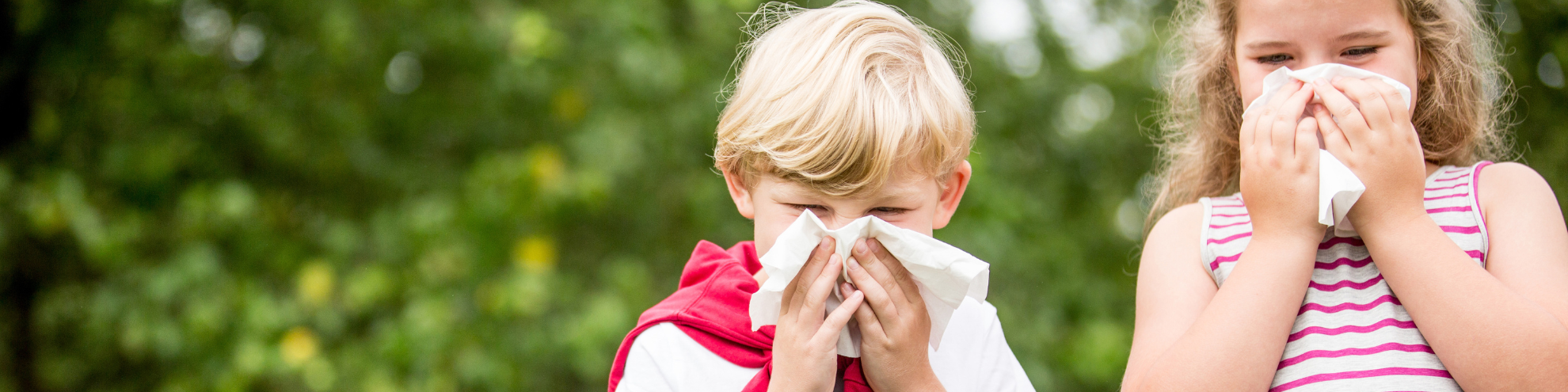
The temps are slowly rising, which means a welcomed warmth here in New England. However, the reality of those living with chronic respiratory conditions is that this season brings its own unique set of triggers - allergies, and the heat and humidity.
"We're seeing higher temperatures and more hot, humid days, even in months that are normally cool. Pollen season is starting earlier and lasting longer, which is a problem for people with asthma and allergies," says pulmonologist Dr. Nicholas Nassikas.
To prepare for barbecues, graduations, and kid’s camp, here are some ways to stay informed and prepared, so you can mitigate symptoms and flare-ups this summer.
How Heat & Humidity Affect Respiratory Symptoms
Similar to frigid air, hot and humid air can constrict the airways and increase mucus. Irritated nerves while breathing in hot air can make lungs “ twitch,” which causes inflammation and spasms in the airways.
“Breathing hot air might make your body think it needs to cool the lungs. It does that by widening nearby blood vessels, so they can carry more blood (and heat) away from the lungs, Dr. Nassikas explains. “As the blood vessels get bigger, surrounding tissues can swell, causing the airway to shrink and get tighter. Then you might wheeze, cough, or get chest tightness.”
It can also cause faster breathing. When you’re too hot, your body attempts to release heat through your breath. When paired with chronic lung conditions, fast breathing can exacerbate symptoms.
How Pollen and Mold Spores Affect Respiratory Symptoms
According to Allergy Insider, Up to 90 percent of children and 60 percent of adults with asthma also experience allergies. Pollen or mold spores (tiny fungi cells) appear whenever trees, grass or weeds are in bloom, and peak at different points of the summer season.
Overall climate can also affect the severity of allergy seasons. For instance, if a winter season is mild, it could prompt spring to start earlier, which means earlier/longer exposures to pollen and mold spores.
According to “Summer Asthma and Warm Weather” publication in the Allergy and Asthma Network, Here is an estimation of the pollen and mold spore cycle:
- Tree pollen: February through June
- Grass pollen: May to early July
- Weed pollens: (including ragweed): early August through first frost
Oak, elm, maple and birch are among the most common tree allergens in the United States. It often overlaps with the spread of grass pollen. Tree and grass pollens spread during dry, breezy conditions.
The most common that can cause grass allergies are:
- Bermuda grass
- Kentucky bluegrass
- Bahia grass
- Fescue grass
- Johnson grass
- Timothy grass
For many, ragweed is a strong trigger for asthma and allergies. It thrives in warm temperatures, lower humidity and breezy conditions.
Mold spores travel through the air, often at night in dry, foggy or windy weather conditions. They may also spread when it’s humid outside. Mold spores peak in June and linger through the summer. They decline at first frost.
Thunderstorms & Chronic Respiratory Symptoms
Did you know that thunderstorms can trigger asthma symptoms? This happens when the allergen levels are already high during the onset of a storm. The heavy winds distribute the pollen and mold spores further through the air, making it a higher risk of inhalation.While it is uncommon, it is important to note that inclement weather might not always mean less pollen.
Tips for Outdoor Activities
Stay Indoors
Take note of peak temperatures throughout the day, and take time outside when it’s most cool (usually in the morning) and retreat inside with the air conditioner when it’s warmed up.
Hydrate Well
Drink plenty of water to keep mucus thin and airways clear.
Monitor Air Quality
Check local air quality indices (AQI) and avoid going out when ozone or pollution levels are high.
You can monitor your town in NH here.
Plan Out Activities
Complete errands or exercise in the early morning or late evening when temperatures are lower.
Wear Breathable Clothing
Wear loose-fitting clothes or breathable fabric and stay in the shade when able.
Tips for Camp Goers
- Make sure all medical forms are up to date and complete.
- Plan ahead - make sure you have all medications and supplies readily available and all staff are informed!
- Remove allergen exposure as much as possible- this means adjusting sleeping quarters if they are staying overnight.
- Have a plan for possible triggers - make sure you have an asthma action plan.
- Consider food allergies and bug exposure.
Final Thoughts
While allergy season can be overwhelming for those suffering from asthma or COPD, being informed and prepared will reduce the risk of flare-ups. Another aspect to consider, besides what we’ve discussed above, is the impact of wildfires, and the pollutants they release.
Be sure to not only track the AQI, but also the risk levels for wildfire in your area. You can check NH here.