COPD & Sleep: Simple Steps for a Better Night
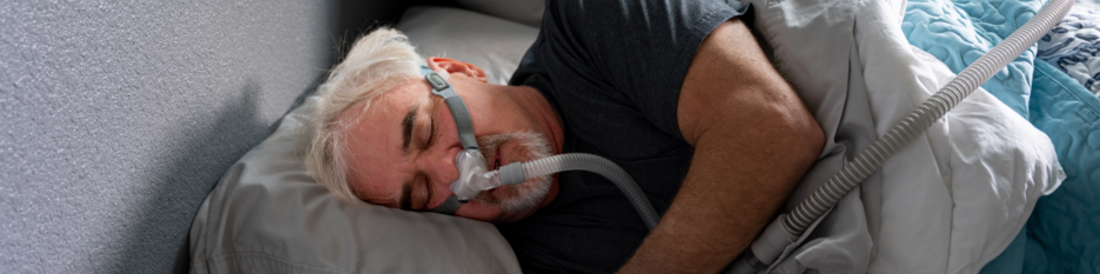
A good night's sleep can make a big difference in how we feel the next day. But for people living with COPD, getting enough restful sleep can sometimes be a challenge.
Coughing, wheezing, shortness of breath and other COPD symptoms can make it harder to fall asleep or stay asleep. Some people with COPD may also have a sleep disorder, such as sleep apnea, that affects their breathing at night.
Sleep problems are common in people with COPD. A review published in the Journal of Clinical Sleep Medicine found that COPD is often linked with sleep problems, including insomnia and obstructive sleep apnea. The review was led by researchers from Tufts Medical Center in Boston and included a researcher from Brigham and Women's Hospital and Harvard Medical School. Read the research article on PubMed.
The researchers wrote that sleep problems can lead to “worse sleep quality, diminished quality of life, and multifarious other adverse consequences.” — Journal of Clinical Sleep Medicine, 2015.
The good news? There are simple steps you can take to support better sleep. And if something does not feel right, talking with your healthcare provider can help you find out why.
Why Can COPD Make Sleep Difficult?
Breathing does not work exactly the same way when we are asleep. For someone with COPD, these normal changes can make breathing more difficult.
You may notice:
- Coughing during the night
- Wheezing
- Shortness of breath
- Waking up often
- Trouble falling back asleep
- Feeling tired when you wake up
- Feeling sleepy during the day
The American Thoracic Society explains that people with COPD may wake during the night because of “coughing, wheezing, breathlessness, nasal congestion and heartburn.”
If you regularly wake up because you are coughing or having trouble breathing, tell your healthcare provider. It may be a sign that your COPD needs more attention.
Poor Sleep and COPD Flare-Ups
Getting poor sleep does more than leave you tired the next morning.
A large U.S. study published in the journal Sleep looked at the connection between sleep quality and COPD flare-ups. Researchers found that people with poor sleep had a higher risk of experiencing a COPD flare-up during the following year. Read the research article on PubMed.
The study was supported by the National Heart, Lung, and Blood Institute, part of the National Institutes of Health.
Lead researcher Aaron Baugh, M.D., told the National Institutes of Health, “knowing how they sleep at night will tell me much more about their risk of a flare-up” than knowing some other details about a person's health history.
The researchers found that the risk of a COPD flare-up was higher among people who reported poorer sleep. This does not mean that poor sleep will cause a flare-up, but it is another reason to pay attention to changes in your sleep.
What About Sleep Apnea?
Sleep apnea is another reason you may not be sleeping well.
With sleep apnea, breathing stops and starts many times during the night. You may snore loudly, wake up gasping for air or feel very tired during the day.
People with COPD can also have sleep apnea.
The American Thoracic Society's patient guide explains that people with COPD “may also be at increased risk for obstructive sleep apnea (OSA).”
You may not know that you have sleep apnea. Often, a spouse, partner or family member notices the signs first.
Talk with your healthcare professional if you:
- Snore loudly
- Wake up choking or gasping
- Stop breathing during sleep, according to someone who watches you sleep
- Wake up with headaches
- Feel very sleepy during the day
- Wake up often and do not know why
If your healthcare professional thinks you may have sleep apnea, they may recommend a sleep study.
Don't Blame Everything on Age
It is easy to think, “I'm getting older. I guess I just don't sleep as well anymore.”
But trouble sleeping should not always be blamed on age.
The National Institute on Aging says older adults generally need about 7 to 9 hours of sleep each night.
Sleep patterns can change as we get older. You may go to bed earlier, wake earlier or wake more often during the night. But ongoing trouble falling asleep, staying asleep or feeling rested is worth discussing with your healthcare provider.
If you have COPD, it is especially important to mention changes in your sleep.
Simple Tips for Better Sleep
You do not need to completely change your routine to work on better sleep. Start with one or two small changes.
1. Keep a regular schedule
Try to go to bed and get up at about the same time each day. A regular schedule helps your body know when it is time to sleep.
2. Create a relaxing bedtime routine
Give yourself some quiet time before bed. Read a book, listen to calming music or take a warm bath. Try to do the same relaxing activities each night.
The National Institute on Aging's healthy sleep guide recommends having a regular sleep schedule and bedtime routine as part of healthy sleep habits for older adults.
3. Make your bedroom comfortable
Keep your bedroom quiet, dark and at a comfortable temperature. If possible, keep the television, phone and tablet out of the bedroom.
4. Watch your caffeine
That afternoon cup of coffee may be part of the problem. Caffeine can make it harder to fall asleep, especially when you have it later in the day. Try limiting coffee, tea, soda and chocolate in the afternoon and evening.
The National Institute on Aging recommends avoiding caffeine later in the day as part of healthy sleep habits for older adults.
5. Get some activity during the day
Regular physical activity can help support better sleep. Take a walk, work in the garden, stretch or do another activity that is safe for you. If you have questions about what type of activity is right for you, talk with your healthcare provider. Try to finish exercise several hours before bedtime.
6. Be careful with naps
A short nap may feel good, but long naps or naps late in the day can make it harder to sleep at night. If you need a nap, try keeping it earlier in the day.
7. Follow your COPD treatment plan
Keeping your COPD under control is an important part of getting better sleep.
Take your medications as prescribed and use your inhalers the way your healthcare provider has instructed. If coughing, wheezing or shortness of breath regularly wakes you up, let your healthcare provider know.
The American Thoracic Society recommends making sure COPD is well controlled when addressing sleep problems.
8. Don't start a sleep medicine on your own
It can be tempting to reach for an over-the-counter sleep aid when you are tired night after night. But sleep medicines and supplements are not right for everyone. They may also interact with other medications you take. Talk with your healthcare professional before starting anything to help you sleep.
The National Institute on Aging recommends talking with a healthcare professional before using sleep medicines and notes that these medications can have risks, especially when used for a long time.
Try a Sleep Diary
Still not sleeping well? Try keeping a simple sleep diary for a week or two. You do not need anything fancy. A notebook next to your bed will work.
Write down:
- What time you went to bed
- What time you got up
- How many times you woke up
- What woke you up
- Whether you coughed or felt short of breath
- Whether you napped during the day
- When you had your last cup of coffee
- How rested you felt the next morning
This can help you see patterns.
It can also give your healthcare professional useful information about what is happening at night. The National Institute on Aging recommends keeping track of your sleep when you are having trouble sleeping.
A Better Night Can Start With a Small Change
Living with COPD can make sleep more difficult, but poor sleep does not have to be something you simply accept.
Start small.
Keep a regular bedtime. Make your bedroom comfortable. Cut back on caffeine later in the day. Get some activity during the day. And pay attention to changes in your nighttime symptoms.
Most importantly, tell your healthcare professional if you are not sleeping well.
Your sleep is an important part of your overall health, and it can give your healthcare team clues about how you are doing with COPD.
As the American Thoracic Society explains, frequent nighttime waking can be a sign that your COPD is not well controlled.
You deserve to wake up feeling rested and ready for the day. Sometimes, improving your sleep starts with something as simple as recognizing that there is a problem and asking for help.