What Is COPD?
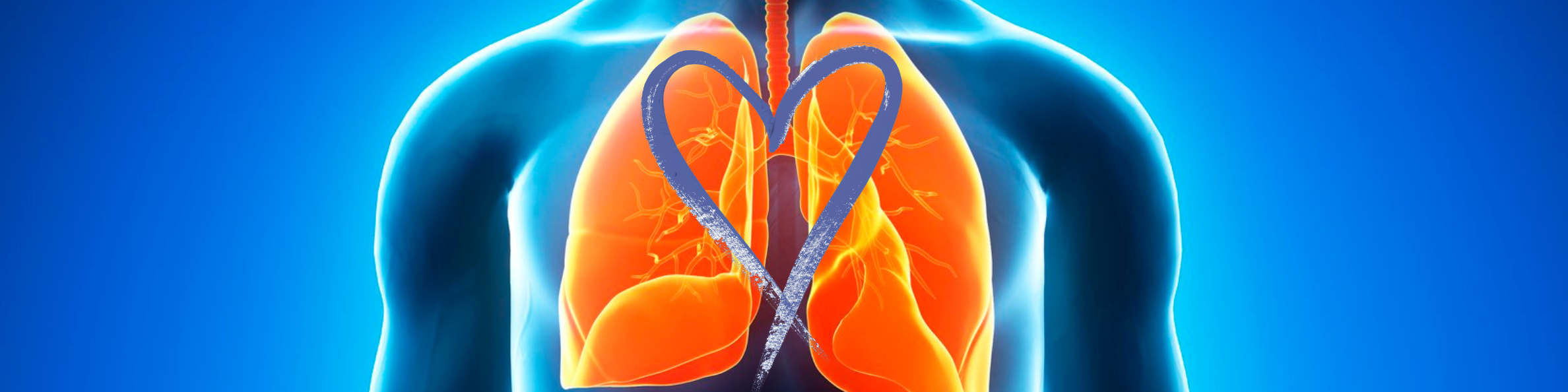
Chronic obstructive pulmonary disease (COPD) is a group of progressive lung diseases that make it difficult to breathe. The two most common forms of COPD are emphysema and chronic bronchitis, and many people have features of both.
In COPD, the airways become narrowed and damaged, making it harder for air to move in and out of the lungs. Over time, breathing may become more difficult, especially during physical activity.
Although there is currently no cure for COPD, treatments and healthy lifestyle changes can help manage symptoms, reduce flare-ups, slow disease progression, and improve quality of life.
Who Is at Risk?
Several factors can increase your risk of developing COPD, including:
- Smoking or a history of smoking
- Long-term exposure to secondhand smoke
- Exposure to workplace dust, chemicals, vapors, or fumes
- Long-term exposure to air pollution or wood smoke
- Alpha-1 antitrypsin deficiency (Alpha-1), a rare inherited genetic condition
- A history of frequent respiratory infections or asthma, particularly when combined with other risk factors
While smoking remains the leading cause of COPD, not everyone with COPD has smoked.
Signs and Symptoms
COPD symptoms often develop gradually and may become worse over time.
Common symptoms include:
- A persistent cough, sometimes called a "smoker's cough"
- Shortness of breath, especially during everyday activities
- Wheezing
- Excess mucus (phlegm or sputum)
- Chest tightness
- Difficulty taking a deep breath
- Frequent respiratory infections
- Feeling tired or having less energy for daily activities
Many people assume these symptoms are a normal part of aging, but they should not be ignored.
When Should You Talk to Your Healthcare Professional?
Talk to your healthcare professional if you:
- Have a persistent cough that doesn't go away
- Become short of breath doing activities that used to be easy
- Frequently cough up mucus
- Have repeated chest colds or respiratory infections
- Have a history of smoking or long-term exposure to dust, smoke, or workplace chemicals
Early diagnosis and treatment can help preserve lung function and improve quality of life.
How Is COPD Diagnosed?
COPD is diagnosed using a combination of:
- Your medical history and symptoms
- A physical examination
- Spirometry, a simple breathing test that measures how well your lungs are working
Spirometry is the most common test used to diagnose COPD and assess its severity.
Living Well with COPD
Although COPD is a lifelong condition, many people continue to lead active, fulfilling lives by managing their disease.
Treatment may include:
- Quitting smoking, if you smoke
- Taking prescribed medications
- Pulmonary rehabilitation
- Regular physical activity
- Staying up to date on recommended vaccinations
- Avoiding respiratory irritants such as tobacco smoke and poor air quality
- Following your COPD action plan and working closely with your healthcare team
Learning to recognize and treat flare-ups early can help reduce hospitalizations and improve long-term health.