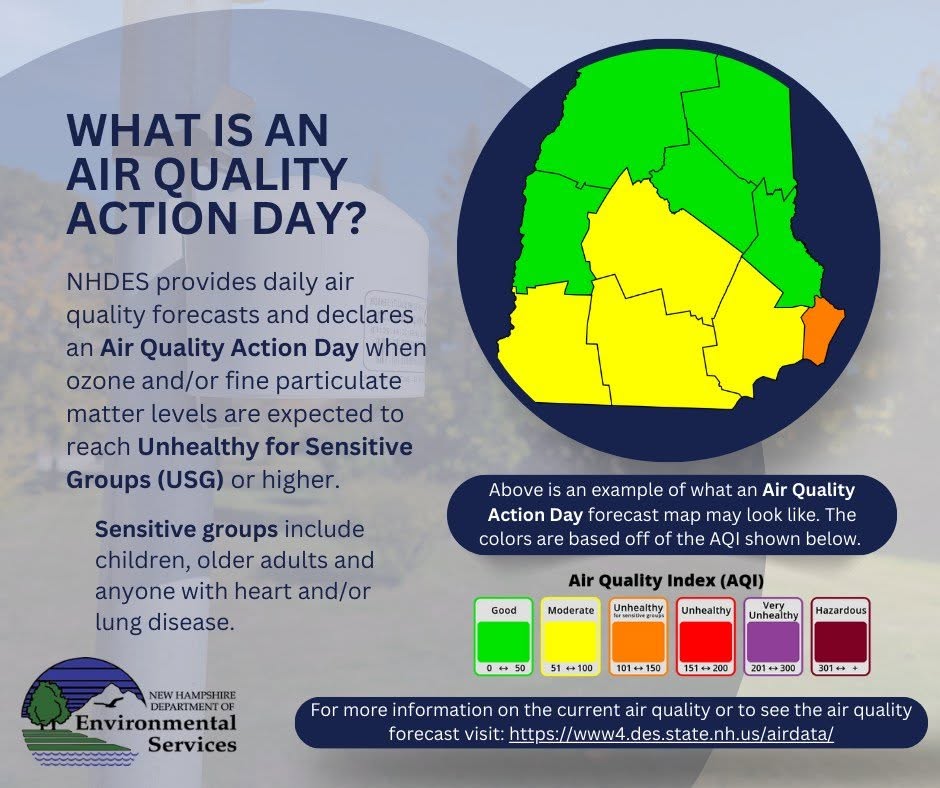
The air we breathe plays an important role in our health. While we often can't see air pollution, the quality of the air around us can affect how we feel, especially for people with asthma, COPD, allergies, or other chronic health conditions.
Good air quality helps everyone breathe easier. Understanding what affects air quality and knowing when to take simple precautions can help protect your health and the health of your family.
What Is Air Quality?
Air quality refers to how clean or polluted the air is. Clean air contains very low levels of pollutants, while poor air quality means there are higher amounts of substances that can be harmful to your health.
Air quality can change throughout the day depending on factors such as:
- Weather conditions
- Wildfire smoke
- Ground-level ozone
- Vehicle traffic
- Industrial emissions
- Wood smoke
- Pollen and other natural particles
Some air pollutants are visible, like smoke or haze, but many cannot be seen or smelled.
Why Does Air Quality Matter?
Breathing polluted air can irritate your lungs and make it harder to breathe. Even short-term exposure to poor air quality may cause:
- Coughing
- Wheezing
- Shortness of breath
- Eye, nose, or throat irritation
- Reduced ability to exercise outdoors
Long-term exposure to unhealthy air can increase the risk of respiratory and cardiovascular diseases and may worsen existing health conditions.
Who Is Most at Risk?
While poor air quality can affect anyone, some people are more sensitive than others, including:
- Children
- Older adults
- People with asthma
- People living with COPD or other lung diseases
- Pregnant people
- People who work or exercise outdoors
If you fall into one of these groups, it's especially important to pay attention to local air quality conditions.
How Can You Protect Yourself?
There are simple steps you can take when air quality is poor:
- Check the daily Air Quality Index (AQI).
- Limit strenuous outdoor activity when pollution levels are high.
- Keep windows and doors closed during smoke events.
- Use air conditioning or air filtration if available.
- Follow your healthcare provider's recommendations if you have a lung condition.
- Keep quick-relief medications with you if prescribed.
Taking precautions during poor air quality days can help reduce symptoms and protect your lungs.
Whether you're looking for everyday tips or information about specific air quality concerns, we're here to help you breathe easier.