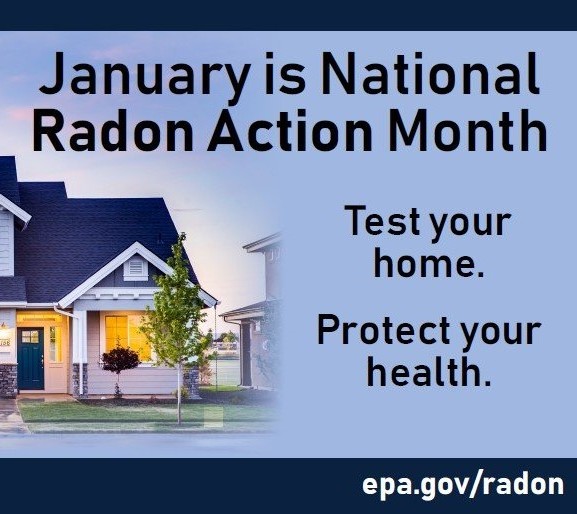
Radon
What Is Radon?
Radon is a naturally occurring radioactive gas that forms as uranium breaks down in soil, rock, and water. It is invisible, odorless, and tasteless, so you can't see, smell, or taste it.
Radon moves through the ground and can enter homes and buildings through cracks and openings in the foundation, including:
- Cracks in concrete floors and walls
- Construction joints
- Gaps around pipes and utility lines
- Sump pumps and drains
- Crawl spaces
If radon is present in well water, it can also be released into the air during everyday activities such as showering, washing dishes, and doing laundry.
Outdoor radon levels are usually very low and are not considered a health concern. Indoors, however, radon can become trapped and build up to unhealthy levels.
New Hampshire has some of the highest radon levels in the country because of its granite-rich bedrock and underlying geology. Elevated radon has been found in every county, making testing important no matter where you live.
Why Is Radon Dangerous?
Breathing elevated levels of radon over many years increases your risk of developing lung cancer. Radon is the leading cause of lung cancer among people who have never smoked and the second leading cause of lung cancer overall, after smoking.
Your risk increases with both the level of radon and the amount of time you are exposed.
For people who smoke or have smoked, the combination of tobacco smoke and radon exposure greatly increases the risk of developing lung cancer.
Because radon has no immediate symptoms, many people don't know they have been exposed until years later. Testing your home is the only way to know if radon is present at elevated levels.
Could My Home Have Radon?
Yes. Any home can have elevated radon levels, regardless of:
- Age of the home
- Type of foundation
- Whether it has a basement
- Whether neighboring homes have low radon levels
Even homes built next to one another can have very different radon concentrations.
Because radon cannot be detected by sight, smell, or taste, testing is the only way to know if your home has elevated radon levels.
Should I Test My Home?
The U.S. Environmental Protection Agency (EPA) recommends that every home be tested for radon, especially in areas like New Hampshire where elevated levels are common.
Testing is:
- Easy to do
- Inexpensive
- Available through do-it-yourself test kits or certified radon professionals
If you're buying a home, consider testing during the home inspection process. If you've never tested your current home, or it's been several years since your last test, it's a good idea to test again.
What Do My Test Results Mean?
Radon is measured in picocuries per liter (pCi/L).
The EPA recommends taking action if your home's radon level is 4.0 pCi/L or higher.
Even radon levels below 4.0 pCi/L carry some risk, and you may choose to reduce lower levels if possible.
How Can Radon Be Reduced?
If your home has elevated radon levels, a certified radon mitigation professional can install a mitigation system to safely reduce indoor radon concentrations.
Most radon mitigation systems:
- Vent radon gas safely above the roofline
- Continuously prevent radon from entering the home
- Can reduce radon levels by up to 99%
A properly installed mitigation system is an effective, long-term solution that can significantly reduce your family's exposure.
Protect Your Family
Because radon cannot be seen or smelled, many people don't realize they have a problem until they test. Fortunately, testing is simple, and high radon levels can usually be corrected.
Knowing your home's radon level is one of the most important steps you can take to protect your family's lung health.
Frequently Asked Questions
Can newer homes have radon?
Yes. Both new and older homes can have elevated radon levels.
Can I tell if my home has radon without testing?
No. Radon has no color, odor, or taste. Testing is the only way to know.
Should I test if my neighbor's home tested low?
Yes. Radon levels can vary significantly from one home to the next, even on the same street.
If I have a mitigation system, should I test again?
Yes. Retesting after installation confirms the system is working properly, and periodic testing helps ensure radon levels remain low.